Christmas Markets: How to Transform a Chilly Square into a Successful Sales Point
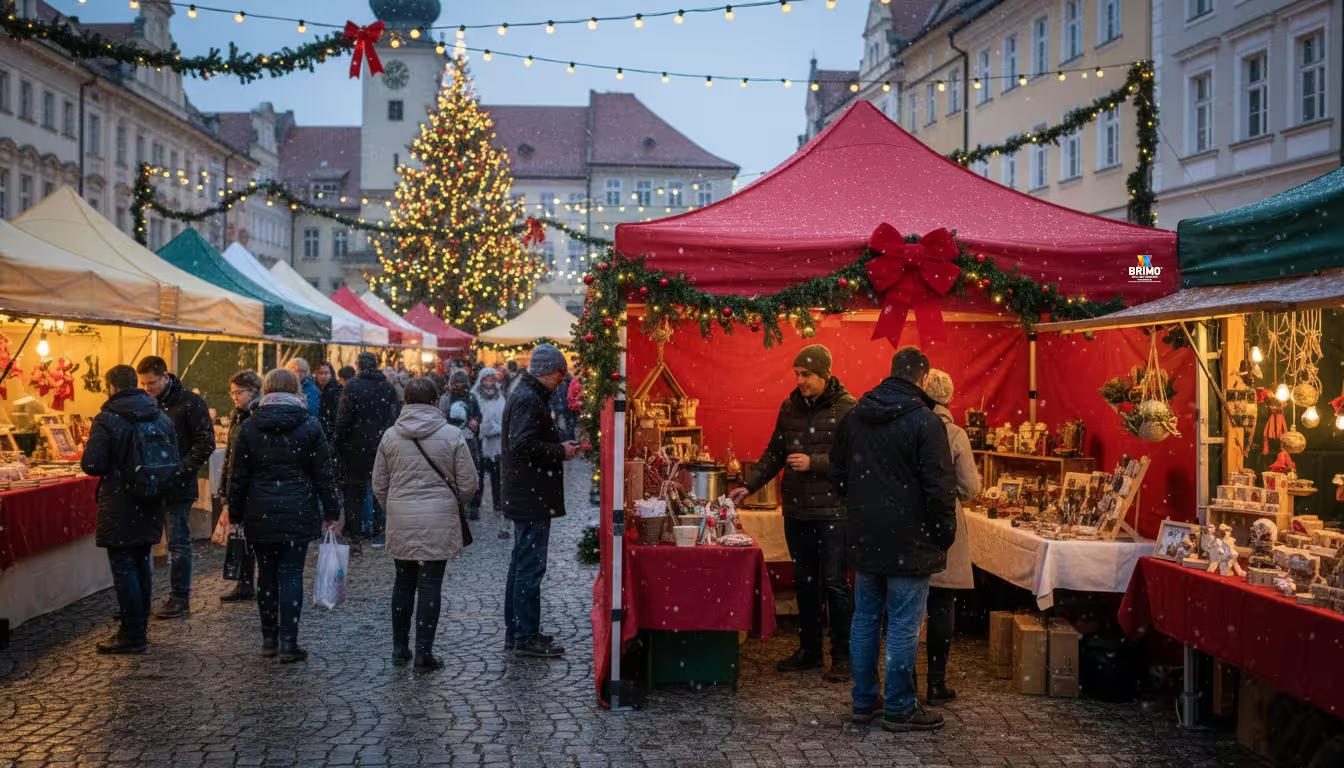
The start of winter brings not only the magic of Advent and the scent of pine needles, but also demanding challenges for every market trader. Success at Christmas markets depends not just on the quality of the mulled wine or handmade decorations, but primarily on professional equipment. In an environment where details and first impressions decide customer favour, high-quality sales gazebos play a key role. They form the essential pillar for a safe and visually attractive presentation of your business in challenging outdoor conditions.
Why You Shouldn't Underestimate the Choice of Market Stall Equipment
The winter season is unpredictable. Gusty winds, heavy snow, or unexpected rain can, within minutes, threaten not only your merchandise but also the comfort of visitors. Investing in professional sales tents therefore pays off in terms of stability and peace of mind. Unlike makeshift shelters, modern structures are designed to withstand mechanical stress and provide the trader with the necessary quiet to work, even when the weather outside is at its worst.
Stability and Durability in Every Detail
When choosing the right solution, it is important to look at the material composition of the structure. Robust sales tents with a solid surface finish prevent corrosion and increase the lifespan of the entire system. High-quality canopy fabric with a high water column and UV protection guarantees that the interior of your sales point remains dry and cosy, which is key to creating the right festive atmosphere.
Maximising Sales Area Utility
Efficiency at markets starts with correct space organisation. Thanks to the variability that today's sales gazebos offer, you can work flexibly with sidewalls and entrances. This allows you not only to protect goods from bad weather but also to create a logical flow of customers, thereby maximising the sales potential of your spot even during the busiest hours of Advent.

Optimising the Gazebo by Goods Type: What are you selling?
Not all gazebos are the same. Christmas markets are specific in their diversity – from hot punch to fragile glass ornaments. How you use your sales tents should directly reflect the needs of your merchandise and customer expectations. A correctly chosen configuration of sidewalls and internal equipment can be the difference that draws crowds to your counter.
Comparison of Configurations by Sales Assortment
Every type of sale requires a different approach to space arrangement. The following table will help you determine how best to equip your sales tents for maximum comfort and sales efficiency.
| Type of Sale | Recommended Layout | Key Accessory | Main Priority |
|---|---|---|---|
| Gastro (Food and drinks) | Open front, half sidewalls | Steam exhaust fans | Hygiene and steam ventilation |
| Crafts (Wood, ceramics) | Three closed sides, shelving systems | Warm LED lighting | Detail presentation and shadow play |
| Textiles (Hats, jumpers) | Changing cubicle at the back, stands | Mirror and heater | Protection from moisture and snow |
| Gift Sets and Ornaments | "U" shape for internal customer movement | Solid floor / carpet | Creating a cosy atmosphere |
Accessories that Change the Game
If you have already chosen your sales tents, don't forget the details that increase the time a customer spends at your stall. One of the most effective elements is infrared heaters. At Christmas markets, a simple equation applies: where there's warmth, people stop. If your exclusive sales gazebo radiates a pleasant temperature, the customer will subconsciously slow down and pay more attention to your offer.
Visual Identity and Lighting in the Winter Gloom
In December, it gets dark as early as 4 PM. At this moment, sales gazebos cease to be mere shelters and become beacons of light. Using warm white fairy lights on the roof edge not only highlights the contours of your gazebo but also creates a sense of safety and comfort. Moreover, quality lighting does not distort the colours of your goods, which is important especially for hand-painted ornaments or textiles. Remember, Christmas selling is largely about emotions – and these sell best in a well-lit and tidy space.
Frequently Asked Questions (FAQ)
1. How do I properly secure the gazebo against strong winds and gusts?
The foundation of safety when using sales gazebos in urban environments is a combination of proper anchoring and site choice. Since classic anchoring pegs cannot be used on paved squares, it is essential to use certified weights – whether steel plates or sandbags, which attach directly to the legs of the structure. When strong winds are expected, we recommend additionally securing the gazebo to fixed points in the vicinity or using low-profile sidewalls to reduce air resistance and prevent unwanted movement or the structure tipping over along with the displayed goods.
2. What are the options for safe heating in the sales area?
The use of open flames in sales gazebos is strictly prohibited from a fire safety perspective and under current standards, as there is a risk of the fabric igniting or goods being damaged. The ideal and safe solution is electric infrared heaters, which directly heat people and objects, minimising heat loss in open spaces. An alternative is gas heaters (so-called "patio heaters"), which however are only suitable for well-ventilated parts of the gazebo. Always ensure that the heating element is placed at a safe distance from the gazebo walls and has an automatic tip-over safety switch.
3. How do I effectively fold and maintain the gazebo during freezing days?
Handling professional sales gazebos in winter requires attention, especially regarding the fabrics. Quality pop-up gazebos are designed for quick folding without tools, but in extreme frost, the fabric material can be less flexible. It is recommended to remove snow and frost residue from the roof before folding to avoid overloading the structure during its collapse. If possible, after the market ends, let the gazebo dry properly in a dry and tempered environment, thereby preventing mould growth and extending the lifespan of the waterproof layers on the textiles.
Written by:
Mark Nel
About the Author
Mark Nel – Expert in modern solutions and the introduction of innovative technologies in portable structures and gazebo systems, with over a decade of experience in adaptable structures for various events and professional projects.
He studied the implementation of new technologies and information systems in developing countries at the University of Johannesburg and actively participates in collaboration for the design and verification of innovative gazebos that guarantee safety, rapid assembly, and material durability.
His contributions focus on practical advice regarding the selection, maintenance, and safe use of pop-up gazebos and the integration of innovative solutions into daily operation.