The Secret to Longevity: How to Properly Care for Your Pop-Up Gazebo
Deciding to purchase a quality pop-up gazebo is a long-term investment in comfort, reliable protection against unpredictable Irish weather, and professional presentation. Whether you use it for family garden parties, demanding corporate events, or as a representative sales stall, it forms the secure centrepiece of every successful event. However, for this practical helper to serve you flawlessly for years, it requires much more than just mechanical unfolding and a quick pack-away into its bag.
Why Should Maintenance of Pop-Up Tents Not Be Underestimated?
Many users don't realise that both the roof canopies and the frame of the pop-up tent are constantly exposed to extreme environmental influences during use. Aggressive UV radiation, acid rain, settled dust, mud, or even organic pollution from surrounding trees – all of this silently degrades the impregnation and protective layers of the material. Professional and regular care for your shelter is therefore not just a matter of surface aesthetics. By thoroughly cleaning your pop-up gazebo, you significantly extend its lifespan, actively preventing deep-seated mould, permanent weakening of textile fibres, and the potential jamming or oxidation of structural joints.
Core Pillars of Protection for Modern Pop-Up Gazebos
If you expect your pop-up tents to permanently retain 100% waterproofness and for their concertina frame to remain sturdy even in stronger winds, it is essential to adopt a proper routine after every outing. It doesn't involve complex chemical processes, but it does require technical diligence. In the following article, we take an in-depth look at how to choose the right gentle cleaners, why perfect drying is an absolute priority, and which common mistakes to avoid during maintenance so that your tent functions without hesitation even after hundreds of uses.
Materials Under the Microscope: How to Clean the Roof and Frame?
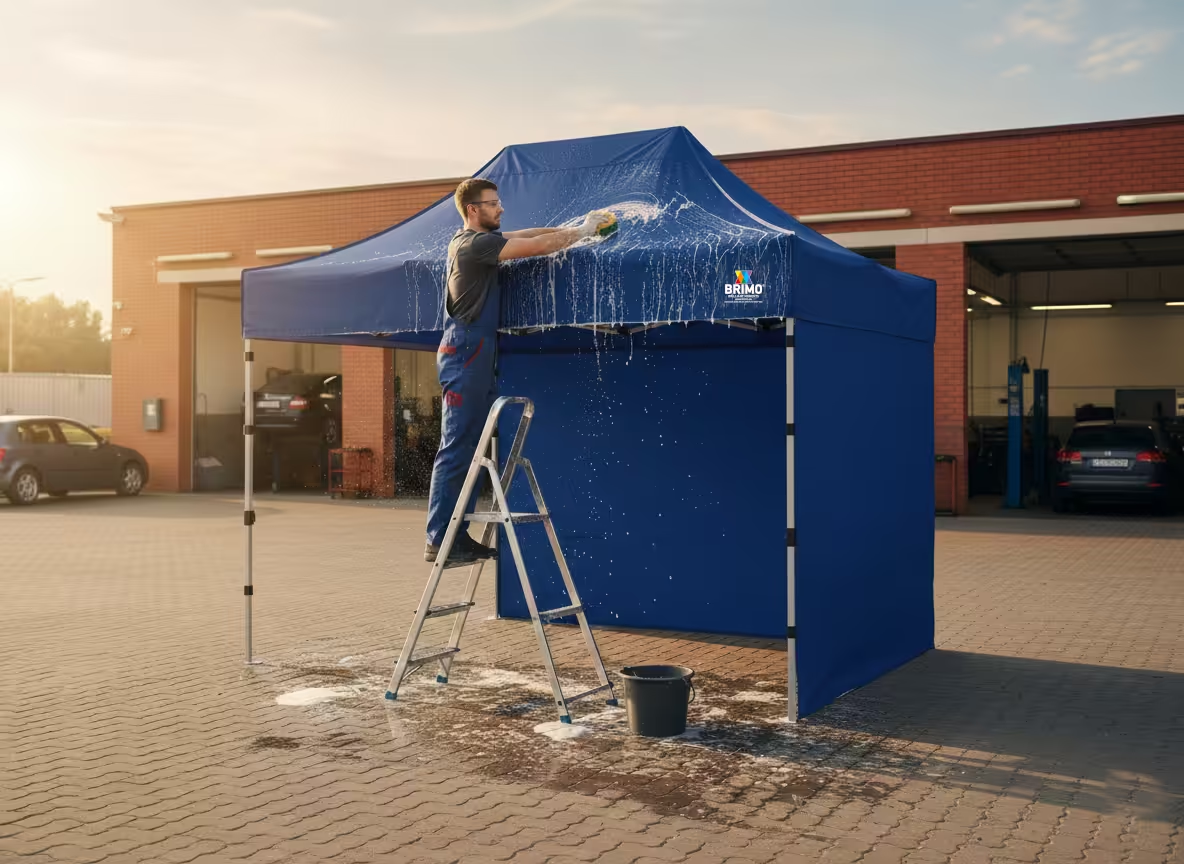
Every pop-up gazebo consists of two main components: a mechanical frame and a textile covering. Although modern materials boast high durability, each reacts differently to cleaning agents. When maintaining a pop-up tent, it is crucial to distinguish between a layer of dust and deep soiling from bird droppings or food grease, which can irreversibly damage the fabric's colour pigment.
Maintenance Difficulty Comparison by Material Type
Choosing the right cleaning approach depends on the specific pop-up tent you own. While aluminium is almost maintenance-free, steel elements require inspection for potential corrosion at friction points. The table below will help you navigate the needs of individual materials:
| Component | Material | Recommended Care | What to Avoid |
|---|---|---|---|
| Construction | Aluminium / Steel | Wipe with a damp cloth, lubricate joints with silicone spray. | Aggressive degreasers, wire brushes. |
| Canopy | Polyester with PU/PVC layer | Soapy water (max 30°C), soft sponge, special waterproofing agents. | Machine washing, tumble drying, bleach. |
| Joints | Nylon/Plastic parts | Removal of sand and coarse dirt that hinder movement. | Excessive force when jammed (risk of snapping). |
Professional Protection Against Damp and Mould
The biggest enemy for pop-up gazebos is, paradoxically, not the rain, but moisture trapped in the transport bag. If you pack away a damp tent, you risk a micro-biological degradation of the material, which manifests as a characteristic odour and black spots (mould). This process can start after just 24 hours in airtight packaging. If you don't have the opportunity to let the tent dry in the sun, set it up in a garage or warehouse with sufficient airflow.
Investment in Care Returns in the Form of Reliability
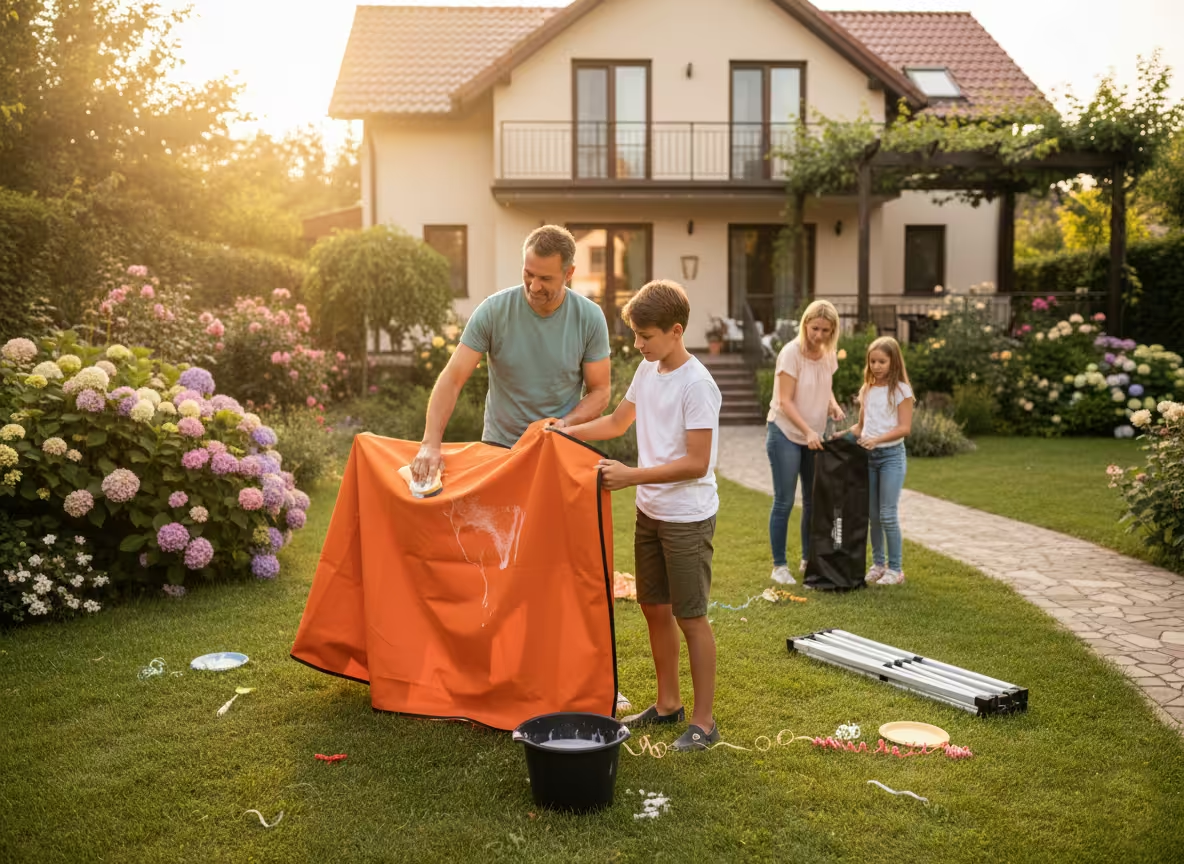
Proper maintenance for a pop-up gazebo is not just an aesthetic matter, but primarily a functional necessity. If you devote those few minutes to cleaning and inspection after every event, your shelter will remain a stable and safe place for your business and private celebrations. Remember that a quality pop-up tent is designed to withstand the elements, but only with your help can it maintain its integrity for decades.
Frequently Asked Questions (FAQ)
1. Can I use a power washer (jet wash) to clean the canopy?
While it seems like a quick solution, we definitely do not recommend it for pop-up tents. An overly powerful stream of water can mechanically damage the polyurethane coating (waterproofing) or tear the delicate microfibres of the fabric. It's better to use a classic garden hose with moderate pressure and a soft sponge.
2. What should I do if tree sap gets on my gazebo?
Sap is one of the most stubborn types of dirt. Never try to scrape it off dry with your fingernails or a knife, as you could puncture the canopy. Use a cloth dipped in surgical spirit or a special resin remover for PVC/PES materials. However, always test the agent on a small, less visible part of the pop-up tent before application.
3. How do I know if my tent needs a new layer of waterproofing?
A simple test: spray the dry canopy with water. If the water forms beads and rolls off (the so-called lotus effect), the protection is fine. If, however, the water starts to soak into the fabric and creates dark "patches", your pop-up gazebo needs treatment with a waterproofing spray to maintain its water resistance.
Written by:
David Wang
About the Author
David Wang specialises in the development of portable structures and rapid-deployment tents, with over a decade of experience in mobile solutions for various events and industrial projects.
He completed his studies in Engineering and Electronics at the University of Shanghai and actively collaborates in the development and testing of innovative tent systems that ensure high safety, easy assembly, and long material lifespan.
In his articles, he focuses on practical recommendations regarding the selection, maintenance, and safe use of scissor-frame tents, as well as the integration of modern technologies into everyday use.